What Is Debt Mediation: Smart Financial Relief Guide


Did you know almost 80% of Americans are dealing with debt? The average household has over $96,000 in debt. Debt mediation is a smart way to get financial relief without bankruptcy.
So, what is debt mediation? It’s a smart way to deal with debt. It helps people talk to creditors to lower their debt. It’s a way to get back on track financially, giving hope to those in debt.
Debt mediation is like a team effort. Trained experts work with creditors to make payment plans. This gives people a break when they can’t pay their bills.
Key Takeaways
- Debt mediation offers an alternative to bankruptcy
- Professional negotiators help reduce overall debt
- Provides a structured approach to financial recovery
- Works directly with creditors to create manageable plans
- Helps individuals regain financial control
Understanding Debt Mediation
Debt mediation is a strong way to help people with big financial problems. It offers a clear path to settle debts. This gives hope to those stuck with too much debt.
Defining Debt Mediation
Debt mediation is a team effort to solve financial issues. It aims to find a fair deal between debtors and creditors. Experts act as middlemen to lower debt and make payments easier.
How Debt Mediation Operates
The debt mediation process has key steps:
- Looking closely at the client’s financial situation
- Checking debts and how much money they have
- Talking with creditors to lower debt
- Creating a plan to pay back what’s owed
Mediators use special skills in these talks. They know what creditors want and what debtors can do. This can cut down debt by 30-50%.
Key Mediation Techniques
Good debt mediation needs certain skills:
- Reviewing all financial documents
- Talking well with creditors
- Getting creditors to accept less money
- Setting up a payment plan that works
Using these skills, debt mediation is a better choice than bankruptcy.
Key Benefits of Debt Mediation
Dealing with money problems can feel like a big mountain to climb. Debt mediation is a smart way to tackle these issues. It helps people solve their money troubles while keeping their dignity.
Debt mediation has many good points for those with money worries. It’s a better choice than some other tough financial steps.
Avoiding Bankruptcy
Debt mediation is a big help for those who might have to file for bankruptcy. It lets people handle their money problems without the bad effects of bankruptcy.
- Preserve credit score integrity
- Prevent permanent financial damage
- Maintain professional and personal reputation
Reducing Stress and Anxiety
Debt mediation does more than just fix money issues. It also helps with the emotional side of money troubles. It gives a clear plan, making people feel better.
| Stress Factor | Impact of Debt Mediation |
|---|---|
| Financial Uncertainty | Provides clear resolution strategy |
| Creditor Communication | Manages negotiations professionally |
| Mental Health | Reduces anxiety and emotional burden |
Mediation is a full solution for debt problems. It helps people take back control of their money. It fixes today’s money issues and sets up a stable future.
The Debt Mediation Process
Dealing with money troubles needs a smart plan. The debt mediation process is a clear way to tackle big debt. It helps people manage their debt and find financial relief.
Understanding how to settle debt involves important steps. These steps help people take back control of their money. Let’s look at the main parts of this journey.
Initial Consultation: Setting the Foundation
The first step in debt mediation is a deep look at your finances. In this key phase, you will:
- Gather all financial documents
- Review all your debts
- Talk about how to negotiate
- Look at possible settlement options
Negotiation Phase: Crafting a Strategic Approach
Experts in mediation use their skills to talk to creditors. The negotiation phase includes:
- Sharing a detailed look at your financial struggles
- Offering fair repayment plans
- Looking at possible settlement amounts
- Keeping your financial interests safe
Final Settlement: Achieving Financial Resolution
Creditors usually have two main ways to settle:
- Lump-sum payments
- Structured payment plans
The final settlement needs careful planning and enough money. Successful debt mediation leads to financial recovery. It helps avoid harsh steps like bankruptcy.
Differences Between Debt Mediation and Other Solutions
Dealing with money problems means knowing your options. Debt Mediation is special because it helps fix credit issues in a unique way. It’s better than other debt help services in many ways.
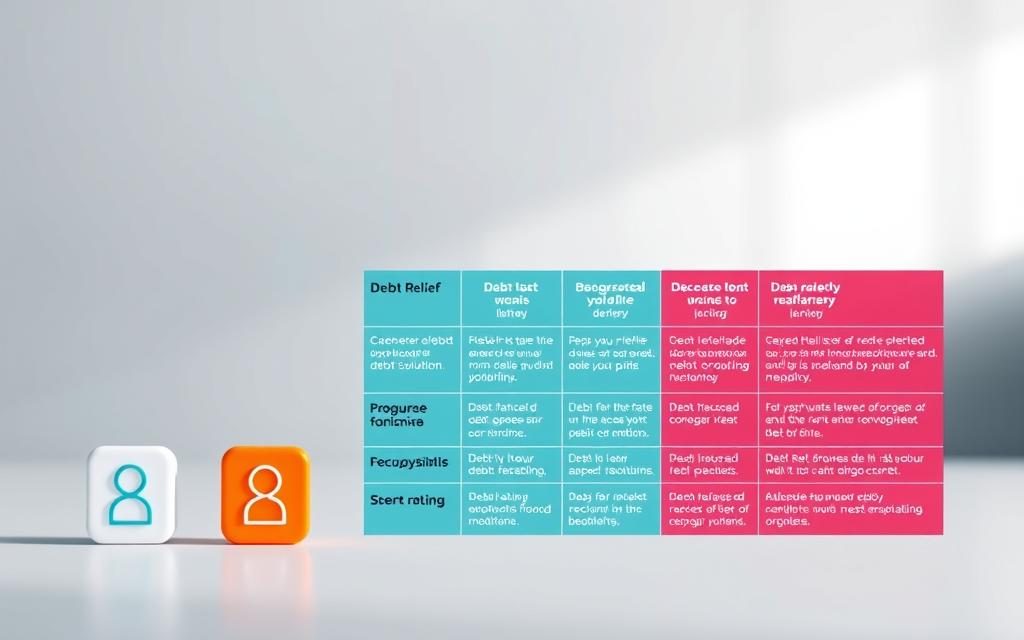
Debt Settlement vs. Debt Mediation
Debt settlement and debt mediation seem alike but are really different. Debt settlement means paying less than what you owe, which hurts your credit score a lot. Debt mediation works together with creditors.
| Characteristic | Debt Settlement | Debt Mediation |
|---|---|---|
| Credit Impact | Significant negative impact | Minimal credit damage |
| Negotiation Style | Adversarial | Collaborative |
| Typical Outcome | Reduced total debt | Restructured payment plan |
Debt Counseling vs. Debt Mediation
Debt counseling teaches you about money and budgeting. Debt mediation talks to creditors to change your debt. Here’s what’s different:
- Debt Counseling: Teaches you about money and budgeting
- Debt Mediation: Talks to creditors to change your debt
- Counseling helps you long-term
- Mediation gives quick solutions
Choosing the right way to fix debt depends on your situation. Debt mediation is a good mix for solving money problems without losing your financial health.
When to Consider Debt Mediation
Financial problems can come out of nowhere. They leave people with a lot of debt and few ways to fix it. Legal Debt Mediation is a smart choice for those at a financial turning point. Knowing when to ask for help is key to getting back on track financially.
Signs You Need Financial Help
It’s important to know when you’re in financial trouble. Collection Agency Mediation is a good option when you see these signs:
- Consistently missing minimum debt payments
- Receiving frequent collection calls
- Using credit cards for essential living expenses
- Experiencing significant income reduction
- Facing possible legal action from creditors
Assessing Your Debt Situation
Before considering mediation, you need to understand your financial situation. Here are some steps to take:
- Calculate your total debt-to-income ratio
- Review types of outstanding debts
- Analyze your current income stability
- Evaluate if you can repay your debts
Pro tip: If your debt is more than 40% of your income or you’re having trouble paying, debt mediation could be your best option.
Choosing a Debt Mediator
Finding the right debt mediator is key to solving your money problems. When looking for Credit Counseling Mediation, pick someone who can stop debt harassment. They should also help you with tough financial talks.
Debt resolution is all about making smart choices. Not all credit counseling services are the same. You need to do your homework.
Key Qualifications to Evaluate
- Professional certifications in financial counseling
- Minimum of 5 years experience in debt mediation
- Proven track record of successful negotiations
- Transparent fee structures
- Positive client testimonials
Critical Questions to Ask Your Potential Mediator
- What is your success rate in How To Use Debt Mediation?
- Are you licensed and accredited?
- What are your typical negotiation strategies?
- How do you communicate with creditors?
- What are your complete fee arrangements?
Watch out for big upfront fees, promises of quick debt fixes, and unclear talks. A good debt mediator will be open and realistic. They will help you based on your own financial needs.
Pro tip: Always check the mediator’s credentials with financial counseling groups before you decide.
Costs Associated with Debt Mediation
Understanding debt mediation costs is key. It helps you make smart choices when trying to settle debt peacefully.
Debt mediation has different fee structures. These can affect how you resolve your debt.
Common Fees in Debt Mediation
Debt mediation services charge in several ways:
- Percentage of total debt settled
- Flat consultation rates
- Performance-based compensation
Payment Structures Explained
Knowing how to pay for debt mediation is important. Here’s a look at common payment plans:
| Fee Type | Typical Range | Payment Condition |
|---|---|---|
| Percentage-Based Fee | 15% – 25% of settled debt | Paid after successful negotiation |
| Flat Consultation Fee | $50 – $200 | Paid upfront |
| Contingency Fee | No upfront cost | Paid only if debt is reduced |
Pro tip: Always ask for a detailed fee breakdown before starting. This helps avoid surprise costs.
Think about the savings when looking at debt mediation costs. A good negotiator can save you a lot. This could make the cost worth it for your financial health.
Legal Aspects of Debt Mediation
Understanding debt mediation law is key. It helps protect your rights and financial health. Debt Resolution Support has many legal details to consider.
When you talk about Debt Negotiation, remember your legal rights. These laws help keep your interests safe during debt talks.
Understanding Your Rights
People dealing with Debt Settlement have legal protections. The Fair Debt Collection Practices Act is very important. It helps keep debt collectors in check.
- Protection from harassment by debt collectors
- Right to dispute debt validity
- Limitation on collection communication methods
- Protection against unfair collection practices
Regulations Governing Debt Mediation
Debt mediation has many rules to protect you. Important rules include:
- State-specific licensing for debt mediators
- Federal Trade Commission oversight
- Following consumer protection laws
Warning: Debt forgiveness may have tax implications. The IRS might see forgiven debt as taxable income. This could lead to unexpected taxes.
Always keep records of debt mediation talks. Know the legal and financial risks of settling debts.
Common Misconceptions about Debt Mediation
Dealing with Debt Relief Programs can be tough. Misinformation makes it even harder. Many people don’t know about debt mediation because of myths.
Debt mediation is often misunderstood. Many myths stop people from trying it. Let’s look at the most common myths about Debt Consolidation and Debt Management Plans.
Myth: Guaranteed Debt Forgiveness
Many think debt mediation means all debt is erased. But, it’s really a negotiation to:
- Reduce debt
- Make payments easier
- Offer relief, not full forgiveness
Myth: Permanent Credit Score Damage
Some believe debt mediation ruins your credit score forever. While it might affect it short-term, it can also help fix your finances.
Credit scores might drop during talks. Good debt management can improve your score by:
- Lowering debt
- Stopping collections
- Helping you get back on track
Knowing the truth about debt mediation helps people make better choices. It’s a way to handle financial problems.
The Role of Creditors in Debt Mediation

Debt mediation is like a dance between debtors and creditors. It’s important to know what creditors want for a good outcome. They are not just sitting back, but are making choices in the debt solving process.
Creditors have clear goals when they join debt mediation. They want to get as much money back as they can. They also want to lose as little as possible.
How Creditors Evaluate Debt Mediation Requests
Creditors look at a few important things when they think about debt mediation:
- How old the debt is
- How much money is owed
- How well the debtor has paid in the past
- If they think they can get all the money back
Importance of Creditor Buy-In
For debt mediation to work, creditors need to be involved. Credit Counseling Services help make sure both sides talk well together.
| Creditor Consideration | Potential Outcome |
|---|---|
| Debt is likely uncollectible | More open to negotiation |
| Recent payment history | Influences settlement willingness |
| Debt verification | Determines negotiation strategy |
Mediators try to build trust and show the good of working together. Creditors see that getting some money is better than none.
Knowing what creditors want helps people feel more confident and smart in debt mediation.
Success Stories
Debt mediation is a big help for people with too much debt. It shows how getting help can change lives. It gives hope to those feeling stuck by debt.
Real-life stories show the power of debt mediation. It can change your financial future. Let’s look at some inspiring stories that show how debt mediation works.
Breakthrough Financial Recoveries
- Sarah, a small business owner, cut her $85,000 credit card debt by 60% with debt mediation
- Michael got rid of $45,000 in medical bills without bankruptcy
- The Rodriguez family fixed their personal loans and saved their home from foreclosure
Key Lessons Learned
- Early intervention is key – tackling debt early stops it from getting worse
- Professional negotiation can greatly lower your debt
- Debt mediation offers a clear way to get back on track financially
These stories teach us important lessons about debt relief. Each story shows that with the right help and negotiation, you can beat big financial problems.
The biggest lesson? Debt mediation is more than just numbers. It’s about getting back your financial pride and starting fresh.
Alternative Solutions to Debt Mediation
Debt mediation isn’t the only way to fix financial problems. There are many other ways to get back on track financially.
Understanding your options is key when you’re in debt. Two big alternatives are credit counseling and debt consolidation.
Credit Counseling: A Structured Approach
Credit counseling gives you a detailed plan to manage your debt. Experts help by:
- Looking at your current money situation
- Helping you make a budget
- Talking to creditors to lower interest rates
- Setting up a plan to pay back what you owe
Debt Consolidation: Streamlining Multiple Debts
Debt consolidation is great for those with many debts. It combines all your debts into one easy payment.
There are a few ways to do this:
- Personal loans with lower interest rates
- Balance transfer credit cards
- Home equity lines of credit
Each method has its own benefits. This lets you pick the best one for your situation.
Moving Forward After Debt Mediation
Finishing a Consumer Debt Mediation is a big step. You need a plan to stay out of debt and fix your credit. This will help you move forward.
Debt mediation is a big change. Make a budget that covers your needs and lets you pay off debt. Keep track of your money to stay on track and avoid debt again.
Rebuilding Credit Strategies
Debt mediation can hurt your credit score. Pay bills on time to improve your score. Use secured cards or be an authorized user to build credit again.
Long-Term Financial Planning
Save money for emergencies to avoid debt. Set goals for paying off debt, saving, and investing. Check your finances often and learn more about money to keep good habits.