How To Get Mediation For A Divorce: Peaceful Guide

Did you know 80% of couples who choose divorce mediation find a solution without court? This shows how powerful mediation can be.
Choosing mediation for a divorce is a big step. It’s different from fighting in court. It lets couples end their marriage with respect and less stress.
When you pick mediation, you choose to work together. A neutral person helps you talk about important things like money and kids. This way, you can solve problems without fighting.
Key Takeaways
- Divorce mediation reduces emotional and financial strain
- Collaborative approach promotes mutual understanding
- Faster and more cost-effective than traditional litigation
- Provides greater control over final divorce agreements
- Helps maintain healthier post-divorce relationships
Understanding Divorce Mediation
Divorce mediation is a peaceful way to end a marriage. It’s different from going to court. Couples work together to find solutions without fighting.
A neutral person helps guide the talks. This person makes sure both sides are heard. They help find solutions that both can agree on.
What Makes Mediation Unique?
Mediation is not like going to court. It focuses on:
- Open communication between partners
- Collaborative problem-solving
- Reduced emotional tension
- Cost-effective resolution
Key Advantages of Mediation
Choosing mediation has many benefits:
- Financial Savings: It’s cheaper than court
- Faster Resolution: It’s quicker than traditional divorces
- Emotional Well-being: It reduces stress
- Flexibility: It lets families create their own solutions
Mediation helps couples talk respectfully. They can make fair agreements. This way, they keep their dignity and can stay friends.
When to Consider Mediation
Going through a divorce can be tough. But, Mediation Services Divorce can lead to a peaceful end. Knowing when to choose a Peaceful Divorce Process is key for couples wanting to split up nicely.
Thinking about using How To Mediate Divorce needs careful thought. Not every divorce is right for mediation. So, it’s important to look at your own situation closely.
Signs You Should Pursue Mediation
- Both partners show willingness to communicate
- There’s mutual respect between spouses
- Want to lessen emotional and financial stress
- Concern for children’s emotional health
- Hope to stay friendly after the divorce
Situations Where Mediation May Not Work
| Challenging Scenario | Potential Mediation Limitation |
|---|---|
| Domestic Violence | Safety issues stop good talks |
| Severe Power Imbalances | One might feel scared or pushed around |
| Untreated Mental Health Issues | Can’t talk clearly or make smart choices |
| Substance Addiction | Can mess up the talks |
Mediation needs both sides to work together and find fair solutions. Professional mediators can check if your case is right for this method.
Finding a Qualified Mediator
Finding the right mediator is key to a good divorce settlement. You need to do your homework to find someone who can help you. This is a big step in a tough time.
First, learn about the different types of mediators. Each one has special skills for family law mediation.
Types of Mediators in Divorce Settlement
- Attorney-Mediators: Legal pros in family law
- Mental Health Professionals: Good at solving emotional conflicts
- Financial Specialists: Knows how to split assets and plan finances
Researching Possible Mediators
Looking for a good divorce mediator? Here are some tips:
- Check their credentials and certifications
- Read what past clients say
- See if they have experience in divorce mediation
- Ask for a chance to meet them first
Essential Questions to Ask Possible Mediators
| Question Category | Key Inquiries |
|---|---|
| Professional Background | How long they’ve mediated, their training in divorce |
| Approach to Mediation | How they solve conflicts, if they stay neutral |
| Cost and Process | How much they charge, how long it will take, what to expect |
Finding the right mediator takes time and thought. You want someone who helps you talk things out and find a fair settlement.
Preparing for Mediation Sessions
Getting ready for Private Divorce Mediation is key. Couples need to prepare well to make the process smooth. This helps in getting a fair Mediation Agreement Divorce.
There are three main steps: getting documents ready, setting goals, and handling emotions. Each step is important for a good mediation.
Essential Financial and Legal Documents
Documents are very important for mediation. Couples should gather these:
- Complete financial statements
- Tax returns from the past three years
- Bank account statements
- Investment portfolio details
- Property ownership records
- Debt information
- Retirement account statements
Setting Realistic Mediation Goals
Having clear goals is very important. Couples should:
- Identify primary concerns
- Prioritize negotiation topics
- Define non-negotiable items
- Develop flexible compromise strategies
Emotional Preparation Strategies
Being emotionally ready is critical. Here are some tips:
- Practice active listening
- Manage stress through counseling
- Maintain professional communication
- Focus on mutual resolution
With good preparation, couples can find a fair agreement. This way, they avoid a lot of conflict and emotional stress.
The Mediation Process Explained
Going through a divorce can be tough. But, mediation makes it easier. It’s a way for couples to work together to solve problems.
In mediation, couples talk openly. They try to find solutions that work for both. This helps them deal with tough emotional and practical issues.
What Happens in a Mediation Session?
A mediation session usually goes like this:
- First, everyone introduces themselves and sets rules.
- Then, each person shares their side of the story.
- They figure out what needs to be solved.
- They look for ways to solve these problems.
- They work out agreements together.
Roles of the Mediator and Participants
The mediator is like a referee. They:
- Keep things fair and balanced.
- Help everyone talk well together.
- Help find different ways to solve problems.
- Make sure the process is fair, without taking sides.
How Long Does Mediation Typically Take?
How long mediation takes depends on the issues. Most couples finish in 3-6 sessions, which is 2-3 months. The time it takes can be affected by:
- How complicated dividing assets is.
- Deciding on child custody.
- How well the couple works together.
- How ready they are to talk things out.
Mediation is a gentler way than fighting in court. It lets couples control their own divorce process.
Effective Communication During Mediation
Going through divorce mediation needs great communication skills. The success of Mediation Sessions Divorce depends on clear talking and listening well. Good communication can make a tough process easier.

Talking during divorce mediation is more than just words. It’s about understanding each other and finding common ground. People need to learn how to talk well.
Active Listening Techniques
Active listening is key in Steps For Divorce Mediation. This means:
- Listening fully to your partner
- Not interrupting
- Showing you got what they said
- Asking for more details
Expressing Needs and Concerns
In Divorce Mediation FAQ, experts suggest using certain ways to talk:
| Communication Method | Benefit |
|---|---|
| “I” Statements | Reduces defensiveness |
| Focus on Interests | Promotes solving problems together |
| Emotional Regulation | Helps avoid more fights |
Using these talking strategies can really help the mediation process. It can lead to a better agreement for both sides.
Navigating Tough Issues in Mediation
Divorce mediation can be tough, with complex emotional and financial issues. Knowing how to start divorce mediation well is key. It’s about finding ways to solve hard problems together with help from experts.
Dealing with Child Custody and Support
Child custody talks are very emotional in divorce mediation. A good mediation divorce lawyer helps parents think about what’s best for the kids. Important steps include:
- Putting kids’ feelings first
- Creating flexible schedules for parents
- Planning for kids’ support
- Keeping lines of communication open
Addressing Division of Assets
When talking about money in divorce mediation, it’s important to be fair and open. Key steps are:
- Sharing all financial information
- Getting the value of shared things right
- Thinking about money over time
- Looking at fair ways to split things
Managing Emotional Roadblocks
Emotions can stop mediation from moving forward. Mediators help by:
- Setting clear talk rules
- Encouraging respectful talks
- Offering tools for managing feelings
- Working together to solve problems
Successful mediation needs patience, understanding, and a goal to find solutions that work for both.
Closure and Finalizing Agreements
Getting to the end of divorce mediation is a big step. It means you’ve worked together to make a plan for your future. This plan covers all important parts of your split.
Creating a legal document is the last part of mediation. This document is based on all the decisions you made together. It will guide you both as you move on.
Drafting Your Mediation Agreement
A good mediation agreement has a few key parts:
- Detailed child custody plans
- How to split money and assets
- How to divide property
- Who pays debts
- Rules for talking to each other in the future
Ensuring Fairness and Compliance
To make sure the agreement works, follow these steps:
- Read the document carefully
- Get advice from a lawyer who isn’t involved
- Check if it follows local laws
- Make sure both sides understand it
Experts say it’s smart to have your own lawyer check the agreement. This adds extra safety. It makes sure both sides are treated fairly in the agreement.
The final agreement makes your mediation plan official. It gives you a clear way to move forward. It also helps avoid more problems in the future.
Costs Associated with Divorce Mediation
Going through a divorce can be tough on your wallet. Mediation is a cheaper way to settle things compared to going to court. Knowing how much mediation costs can help you make better choices.
Mediation is way cheaper than court fights. Court battles can cost a lot, but mediation is more affordable.
Typical Fee Structures for Mediation
How much mediation costs depends on a few things. Most mediators charge in one of these ways:
- Hourly Rates: Usually between $100 to $300 per hour
- Flat Fee Packages: Can be $3,000 to $8,000 for the whole process
- Sliding Scale Options: Prices change based on how much you make
Financial Assistance Options
Mediation is not just cheaper. There are also ways to get help if you can’t afford it:
- Community centers that charge less
- Free mediation programs
- Help from the court
- Payment plans with mediators
Even though it costs money upfront, mediation is usually cheaper than court. A mediated divorce can cost $3,000 to $8,000. But a court fight can cost $20,000 to $50,000.
Choosing mediation is smart. It’s not just about saving money. It’s about making your divorce less stressful and more collaborative.
Post-Mediation Considerations
After divorce mediation, couples must take important steps. They need to follow their agreement and handle any future changes. Knowing what to do next helps everyone move smoothly and keep the teamwork going.
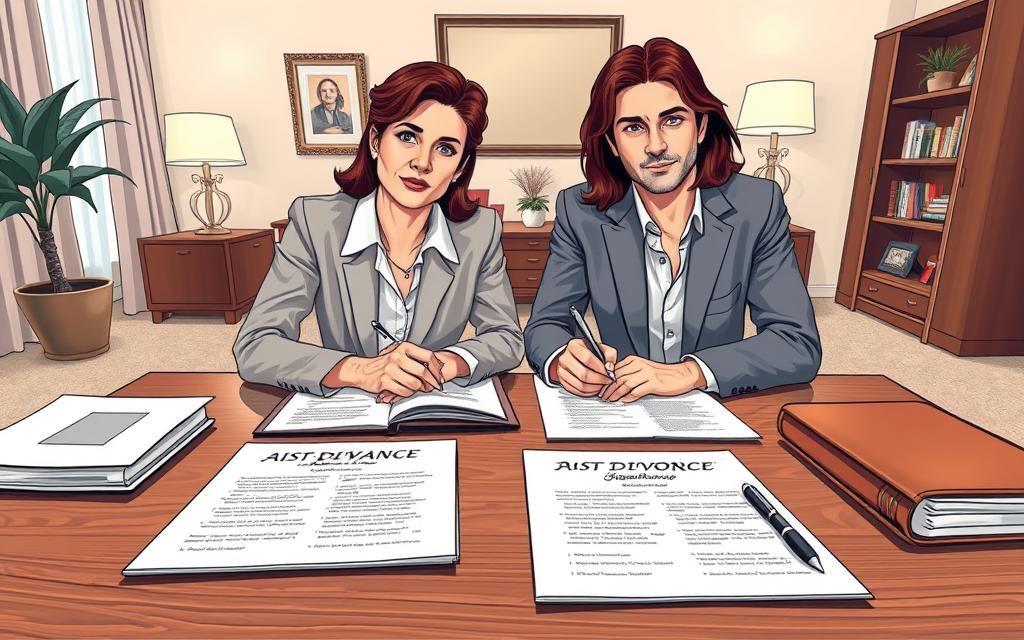
Working with divorce mediation attorneys means several key actions. You’ll need to:
- Have the mediation agreement checked by your own lawyer
- Send the agreement to the local court for approval
- Get a court order to make the settlement official
Implementing Your Mediation Agreement
Online divorce mediation services suggest making a plan. This plan should list who does what and when. It covers things like:
- How to divide property
- How to handle child custody
- When to make financial support payments
Handling Future Changes
Life can change fast. Divorce mediation near me experts say to stay flexible and talk openly. Good strategies include:
- Having a plan for changing the agreement
- Setting up regular check-in meetings
- Keeping records of any changes you both agree on
Big changes in life, like losing a job or moving, might mean you need to update your agreement. Staying open and working together helps you both handle these changes well.
When to Transition to Litigation
Not every divorce mediation ends in a full agreement. Sometimes, couples need to go to court. Knowing when to move from mediation to litigation can save time and stress.
Signs Mediation Is Not Working
It’s important to know when mediation isn’t working. Look out for these signs:
- Persistent communication breakdowns
- One spouse’s unwillingness to compromise
- Discovery of hidden financial assets
- Extreme emotional volatility preventing productive discussions
- Significant power imbalances between partners
The Process of Shifting to Court Proceedings
If mediation fails, moving to court needs careful steps. Protect your interests by:
- Documenting all mediation attempts and communications
- Consulting with a specialized divorce attorney
- Gathering all financial documents
- Preparing for court-mandated mediation evaluations
Even if you don’t agree on everything, partial mediation can make court easier and cheaper.
Resources for Couples
Going through divorce mediation can be tough. But, there are many resources to help. Knowing what to do is key to a smooth process.

Good resources can make your divorce easier. They offer advice and support when you need it most.
Essential Books on Divorce Mediation
Some books can really help you understand divorce mediation. They give you tips and strategies:
- “Divorce Mediation: A Practical Guide for Therapists and Counselors” by Katherine Koh
- “Getting Past Your Breakup” by Susan J. Elliott
- “Divorce Care” by Steve Grissom
Online Resources and Websites
Online, you can find lots of help for divorce:
- DivorceNet.com – Legal info and support groups
- DivorceCare.org – Groups and counseling
- Psychology Today – Articles on moving past relationships
Professional Organizations
Getting help from experts can make a big difference:
- Association of Family and Conciliation Courts (AFCC)
- American Arbitration Association
- International Academy of Mediators
Learning about these resources can make you feel more ready for divorce mediation.
Legal Aspects of Mediation
Going through a divorce can be hard. Divorce Without Court makes it easier with mediation. This way, couples can split up peacefully and avoid many legal problems.
Mediation laws change from state to state. It’s very important to know the laws in your area. Each state has its own rules that affect how agreements are made and followed.
State-Specific Mediation Laws
When you want a peaceful divorce, you need to learn about your state’s rules. Important things to think about include:
- Legal needs for mediation papers
- Can mediated deals be enforced?
- Do you have to go to mediation?
- Is what you say in mediation kept private?
Attorney Involvement in Mediation
Even though mediation tries to keep things simple, lawyers are very helpful. They can:
- Look over draft agreements
- Give advice on your own
- Make sure your rights are looked after
- Help understand hard legal words
Pro tip: Talking to a lawyer doesn’t mean you’re giving up on mediation. It adds extra legal safety and understanding.
Mediation is a flexible way to handle divorce. It lets couples work together to solve problems, with help from experts who know their situation.
Success Stories: Mediation in Action
Divorce mediation is a way for couples to find peace. Real stories show how it works well. They prove that working together can solve problems better than fighting.
Going through divorce mediation takes patience and good talking skills. Here are some stories of couples who found a way to agree. They turned hard times into good solutions.
Breakthrough Scenarios in Divorce Mediation
- Financial Complexity Resolution: A tech entrepreneur and his spouse sorted out their money issues. They made sure both were okay financially.
- Co-Parenting Harmony: Parents who used to fight a lot made a plan for their kids. It put their kids first.
- Emotional Healing: Couples learned to respect each other and talk well during mediation.
Key Lessons from Successful Mediations
- Start mediation open and ready to give in
- Think about what you both want, not just winning
- Use a mediator to help keep things fair
- Think about your kids when making decisions
Mediation tips include being ready, understanding emotions, and solving problems together. These stories show that with the right way, couples can go through divorce with respect and understanding.
Conclusion: The Peaceful Path Forward
Divorce doesn’t have to be a fight. Family law mediation is a new way to end a marriage with respect. It lets couples control their own separation, finding solutions that work for all.
The road to divorce can be tough. But mediation offers support through tough times. It helps couples avoid fights, save money, and keep their relationships strong, even with kids.
Embracing a New Chapter
Mediation is more than a legal step. It’s a chance for personal growth and healing. Couples who talk things out often do better after their split. They learn to communicate better, setting a good example for the future.
Taking the First Step
Your journey to peace starts with learning about mediation. Look for local mediators, get your papers ready, and be open-minded. Every good mediation starts with respect and a shared goal of finding good solutions.