How to Drop Domestic Violence Charge – Effective Legal Tips

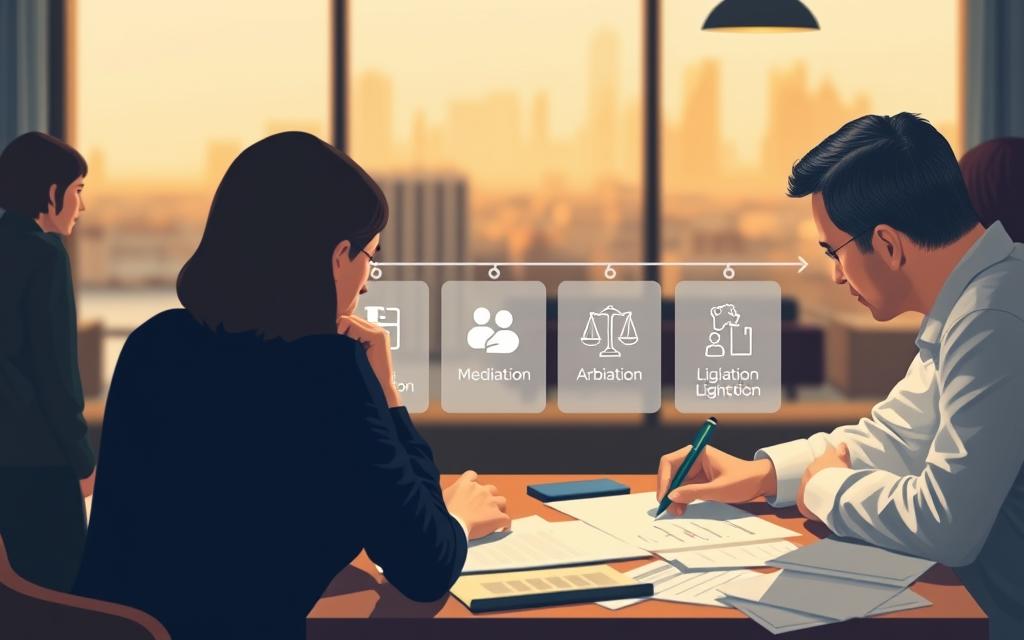
Learn how to drop domestic violence charges with proven legal strategies. Understand steps, court processes, and professional help for the best outcome.
Dropping a domestic violence charge in the U.S. requires understanding the legal system, working with an experienced attorney, and following court procedures carefully. Quick action and proper evidence are essential to improve your chances of dismissal.
Are Domestic Violence Charges Always Permanent? 🤔
Many people wonder if domestic violence charges automatically ruin their record. The truth is, charges don’t always stick. With the right legal steps, some charges can be dismissed or reduced. However, outcomes depend on evidence, cooperation, and state laws. Taking early action is key.
Understanding Domestic Violence Charges ⚖️
Domestic violence charges involve physical, emotional, or psychological harm to a partner or family member. They are serious criminal offenses in all U.S. states. These charges can impact your personal life, professional life, and legal record. Knowing the type of charge you face is the first step toward resolution.
Why Dropping a Charge Can Be Difficult 🚫
Even if both parties agree, dropping domestic violence charges isn’t automatic. Courts often proceed to protect victims and public safety. The prosecutor holds the power to decide if a case continues. Understanding this balance is crucial for anyone seeking dismissal.
Step 1: Hire an Experienced Attorney 🧑💼
Working with a skilled domestic violence lawyer is essential. They can:
- Explain your rights clearly
- Handle court procedures professionally
- Communicate with the prosecutor on your behalf
- Gather supporting evidence
Hiring an attorney early can make a huge difference in achieving a favorable outcome.
Step 2: Gather Evidence 📝
Evidence strengthens your case for dropping a charge. Important items include:
- Texts, emails, or social media messages
- Witness statements
- Medical records (if false claims are involved)
- CCTV or security footage
Proper documentation helps your attorney build a strong argument for dismissal.
Step 3: Understand Prosecutor’s Role 💼
The prosecutor decides whether to continue or drop a case. They evaluate:
- Credibility of both parties
- Strength of the evidence
- Safety of the victim
- Legal requirements of the state
Your lawyer can negotiate with the prosecutor to present reasons for dismissal.
Step 4: Mediation and Agreements 🕊️
In some cases, mediation or agreements between parties can help. This involves:
- Neutral third-party discussions
- Settling misunderstandings
- Drafting a formal agreement
Mediation may encourage the prosecutor to reconsider the charge, especially for minor incidents.
Step 5: Filing a Motion to Dismiss 📄
A motion to dismiss asks the court to drop the charge. This requires:
- Solid legal reasons
- Evidence supporting dismissal
- Compliance with state laws
Your attorney drafts and files the motion, explaining why the case lacks merit or is inappropriate for trial.
Step 6: Court Hearings and Presentations 🏛️
If a hearing is scheduled, you or your attorney must present the case effectively. This includes:
- Explaining circumstances clearly
- Showing supporting evidence
- Maintaining professional behavior
Court appearances are critical to increase the likelihood of dismissal.
Step 7: Witness Statements and Character References 🙋
Character witnesses can help show your good conduct and history. These statements can:
- Highlight peaceful behavior
- Refute exaggerated claims
- Support your credibility
Positive references from family, friends, or coworkers strengthen your defense.
Step 8: Impact of Protective Orders 🛑
A protective order may influence the process. Courts may still allow a charge to be dropped, but violations affect outcomes. Understanding restrictions and compliance is vital.
Step 9: Plea Bargains and Reduced Charges 🤝
Sometimes, prosecutors may offer:
- Lesser charges
- Deferred prosecution
- Conditional dismissal
These options can be strategic alternatives to outright dismissal.
Step 10: Importance of Timing ⏳
Acting quickly is essential. Delays can make evidence less effective and reduce chances of dismissal. Early attorney involvement and proactive steps improve results.
Step 11: State Laws and Variations 🗺️
Each U.S. state handles domestic violence differently. For example:
| State | Charge Impact | Possible Dismissal | Notes |
| California | Misdemeanor/Felony | Possible if evidence is weak | Court may require counseling |
| Texas | Assault Family Member | Motion to dismiss available | Prosecutor discretion high |
| Florida | Battery Domestic | Plea deals common | Protective orders influence case |
Knowing local rules helps tailor your strategy.
Step 12: Consequences of Dropping Charges ⚠️
Even if charges are dropped, there may be:
- Temporary protective orders
- Record of arrest
- Social or employment impact
Understanding consequences helps prepare for the next steps.
Step 13: Expungement and Record Sealing 🔒
After dismissal, you may pursue record expungement. This process:
- Removes the charge from public record
- Improves employment opportunities
- Helps restore reputation
Your attorney can guide this process depending on state laws.
Step 14: Emotional Support and Counseling 💛
Facing domestic violence charges is stressful. Counseling can help:
- Reduce stress and anxiety
- Prepare for court
- Improve communication in relationships
Maintaining mental health strengthens your ability to handle legal challenges.
Step 15: Avoiding Retaliation or Contact 🚫
Do not try to influence the victim or witnesses. Retaliation can worsen the case or lead to new charges. Following legal guidance ensures a safe and legal approach to dismissal.
Step 16: Final Tips for Success 🌟
- Document everything carefully
- Communicate only through your attorney
- Stay calm in court
- Follow all legal instructions
These steps maximize your chance of dropping the charge successfully.
| Key Takeaways | Importance | Action Steps |
| Hire Attorney | Crucial | Engage early |
| Gather Evidence | Essential | Collect texts, witnesses, CCTV |
| Mediation | Helpful | Neutral discussion |
| Court Appearance | Vital | Present professionally |
| Expungement | Long-term | Remove record |
Conclusion
Dropping a domestic violence charge requires strategy, evidence, and professional guidance. From hiring a lawyer to filing motions, every step matters. Understanding the prosecutor’s role, state laws, and legal options improves chances of dismissal. Remaining calm, cooperative, and proactive ensures the best outcome.

FAQs
Can I drop a domestic violence charge myself?
No, the prosecutor decides. You need a lawyer to guide the process and negotiate dismissal.
How long does it take to drop a charge?
It varies by state and case complexity. It can take weeks to months depending on court schedules.
Will my record be cleared after dismissal?
Not automatically. You may need to file for expungement or sealing to remove public records.
Can mediation help in domestic violence cases?
Yes, in minor incidents mediation may encourage the prosecutor to reconsider the charge.
Do all states allow dropping domestic violence charges?
No, state laws differ. Some states give prosecutors full discretion regardless of victim agreement.