Can You Seal a Felony Record: Step-by-Step Guide

Ever thought a past mistake could ruin your future? Clearing a felony record might change that. It’s a way to open new doors and start fresh.
Sealing a criminal record can seem hard, but we’ve got you covered. This guide will show you how to do it step by step. It’s all about getting a second chance and moving forward.
Every state has its own rules for clearing felony records. It’s key to know what’s needed and what you can gain. This guide will give you the tools to make smart choices about your future.
Key Takeaways
- Sealing a felony record can open new employment opportunities
- The process varies by state and individual circumstances
- Eligibility depends on multiple legal factors
- Professional legal guidance can improve your chances of success
- A sealed record does not completely erase your criminal history
Understanding Felony Records
Dealing with felony records can be tough. It affects your life and job chances. Knowing how to handle it is key.
What is a Felony Record?
A felony record is for serious crimes. These are crimes that can get you locked up for more than a year. Examples include:
- Violent crimes
- Drug trafficking
- Serious property crimes
- Sexual offenses
How Felony Records Impact Your Life
A felony record affects many areas of your life. It can limit your job choices and where you can live. It also affects your education and rights.
| Life Area | Potential Impact |
|---|---|
| Employment | Reduced job opportunities and limited career advancement |
| Housing | Difficulty renting apartments or securing residential leases |
| Education | Restricted access to certain academic programs |
| Civil Rights | Potential loss of voting rights and firearm ownership |
Legal Terminology You Should Know
Knowing about felony records means learning some legal terms. Expungement and record sealing are important. They can help lessen the impact of a criminal record.
- Expungement: Complete erasure of criminal records
- Sealing: Restricting public access to criminal records
- Felony record and employment screening: Background checks that reveal past convictions
Understanding these terms is important. It helps you manage your legal history better.
Sealing vs. Expungement
It’s hard to understand how to clear your criminal record. People often look at sealing and expungement. But they are not the same for removing felony records.
Differences Between Sealing and Expungement
Knowing the difference is key. Sealing hides your record from the public. Expungement tries to make it like it never happened.
- Sealing: Restricts access to criminal records
- Expungement: Potentially erases the record entirely
- Visibility: Sealed records remain in government systems
- Legal status: Different legal implications for each process
Benefits of Sealing a Felony Record
Sealing your record can help a lot. It can make it easier to get a job and regain rights.
| Benefit | Impact |
|---|---|
| Employment Opportunities | Increased job application success |
| Housing Applications | Better chance of rental approval |
| Professional Licensing | Improved eligibility for certifications |
What Expungement Doesn’t Do
Expungement has its limits. Not all criminal histories qualify for complete erasure. Some records might stay visible to certain groups.
These groups include:
- Law enforcement agencies
- Federal background checks
- Certain professional licensing boards
- Military enlistment processes
Eligibility for Sealing
Understanding how to seal a felony record is complex. Not all felonies can be sealed. It’s important to know the rules in your area.
When you ask “can I seal my felony,” many things matter. The type of crime, how long it’s been, and your whole criminal history are key.
Factors Affecting Your Eligibility
- Type of felony offense
- Completion of entire sentence
- Waiting period requirements
- Criminal history complexity
State laws on sealing felonies vary a lot. Some states are more lenient, while others are strict.
Common Exceptions to Sealing
Some serious crimes can’t be sealed. These include:
- Violent criminal convictions
- Sexual offenses
- Crimes involving children
- Repeat felony offenses
State-Specific Eligibility Requirements
Sealing juvenile records is different from adult ones. Each state has its own rules for juvenile crimes.
| State Category | Sealing Complexity | Typical Waiting Period |
|---|---|---|
| Low Restriction States | Easier Process | 3-5 Years |
| Medium Restriction States | Moderate Requirements | 5-7 Years |
| High Restriction States | Stringent Criteria | 7-10 Years |
Talking to a legal expert in record sealing can help a lot. They can guide you through the process.
The Sealing Process
Going through the criminal record sealing process needs careful steps. It might seem hard, but breaking it down helps. This way, you can successfully ask to seal your record.
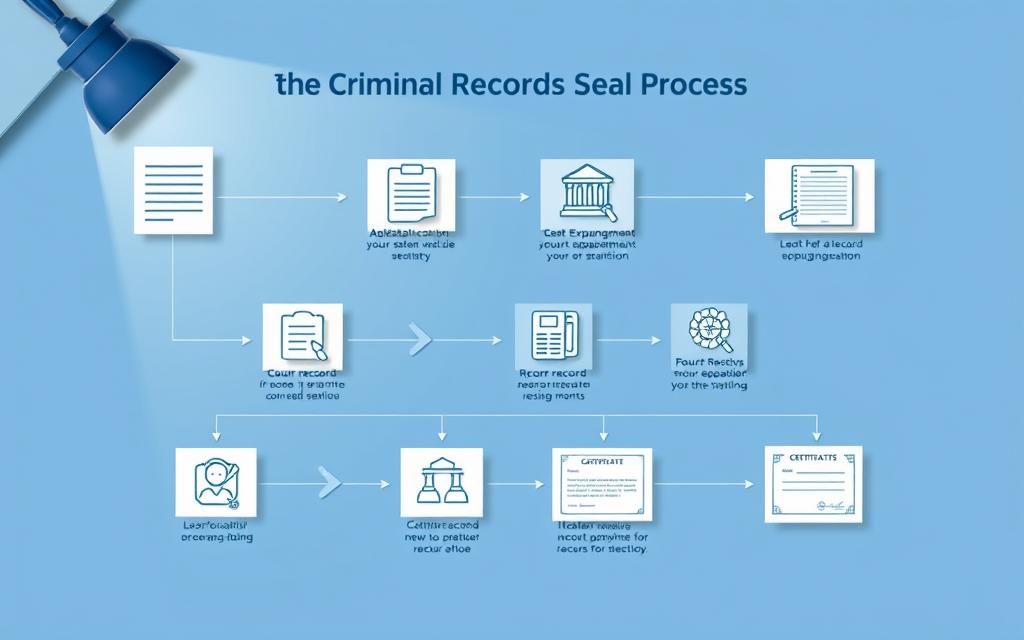
To understand the sealing guide, you must know three key steps. These steps are important for your petition to succeed:
- Document Collection
It’s important to get the right papers. You’ll need:
- Complete criminal case files
- Court disposition documents
- Proof of sentence completion
- Personal identification documents
- Form Preparation
Being accurate with legal forms is key. You’ll need to fill out:
- Petition for record sealing
- Court-specific application forms
- Background check authorization
- Personal statement explaining your case
- Petition Filing
After preparing everything, send it to the right court. You’ll need to:
- Paying required filing fees
- Submitting multiple document copies
- Verifying submission requirements
- Requesting confirmation of receipt
Every place has its own rules for sealing records. So, it’s smart to check local court rules. This makes sure you follow the right steps for your case.
Fees and Costs
Understanding the costs of sealing a conviction is key. It’s important to know the fees for sealing your record. These costs can change based on your case and where you live.
When you seal your record, you might face several costs. These are things you should think about:
- Court filing fees
- Attorney consultation costs
- Document preparation expenses
- Background check fees
Typical Costs of Record Sealing
Getting help from an expungement attorney can cost a lot. Prices can go from $500 to $5,000. Court fees can be $100 to $400, depending on where you are.
| Expense Category | Estimated Cost Range |
|---|---|
| Court Filing Fees | $100 – $400 |
| Attorney Fees | $500 – $5,000 |
| Document Preparation | $50 – $300 |
| Background Check | $20 – $100 |
Waivers for Filing Fees
If you’re low-income, you might get a fee waiver. Proof of financial hardship can help. Talk to your local court clerk to see if you qualify.
Potential Hidden Expenses
There might be extra costs you didn’t think of. These include:
- Certified document copies
- Postage and mailing expenses
- Travel costs for court appearances
- Potential follow-up legal consultations
Plan your budget well. Look for ways to get financial help. This can make the cost of sealing your record easier to handle.
Timeframes Involved
Understanding the time limit for sealing records can be tricky. It varies by place. Knowing how long it takes helps you plan better.
How long it takes to seal a record depends on many things. Most places need you to wait after you finish your sentence or probation.
Average Processing Times
- Minimal Processing: 3-6 months for simple cases
- Complex Cases: 12-18 months
- Court Backlog Situations: Could be longer than 18 months
Factors Affecting Processing Time
Several things can change how long it takes to seal a record:
- How complete your paperwork is
- The court’s current workload
- The details of your criminal history
- The rules of your state
What to Expect During Waiting Period
While waiting, you should:
- Keep talking to court officials
- Make sure your paperwork is up to date
- Be ready for more requests
Being patient is key during this time. Every case is different. This can make things go faster or slower.
Court Proceedings
Going through the sealing record court process can be scary. Knowing what to expect makes it less scary. It helps you get ready to clear your criminal record.
Do You Need to Appear in Court?
Whether you need to go to court for sealing a record varies. Some places make you go, while others let you write a petition. It all depends on where you live.
- Check your state’s specific requirements
- Consult local court guidelines
- Prepare documentation in advance
What Happens During a Hearing?
In the hearing, a judge looks at your sealing record petition. They check a few important things:
- Your criminal history
- Time passed after conviction
- How you’ve changed
- How you fit in today
Possible Outcomes
The court can decide in three main ways for your sealing record process:
- Approved: Your record is sealed
- Denied: Your petition is turned down with reasons
- Request for Additional Information: Court wants more papers
Being ready and knowing the steps can really help. It can make your record sealing more likely to succeed.
Handling Denials
Trying to seal a felony record can be tough. If your first try is rejected, knowing what to do next is important. Laws for second chances offer hope, but you must navigate them carefully.
Getting denied doesn’t mean you can’t clear your record. Many people face hurdles when trying to seal their felony records.
Common Reasons for Denial
- Incomplete documentation
- Ineligible offense type
- Insufficient time after conviction
- Pending criminal charges
- Violation of probation terms
How to Appeal a Denial
Appealing a denial needs careful planning. Review the reasons for rejection and collect more evidence.
- Ask for a detailed reason for denial
- Get advice from a lawyer who knows second chance laws
- Prepare more evidence to answer old concerns
- File an appeal on time
Revisiting Your Eligibility
Being eligible to seal a felony record can change. Some places let you try again, thanks to new laws.
| Waiting Period | Potential Actions |
|---|---|
| 1-3 years | Gather more documents |
| 3-5 years | Get legal advice |
| 5+ years | Apply again with strong evidence |
Being persistent and well-prepared is vital for sealing a felony record. Every denial is a chance to improve your next try.
Impact on Employment
Looking for a job with a felony record is tough. Sealing your record can open doors to new chances. It’s important to know how it changes job applications.
Sealing your record can really help your job search. When it’s sealed, most checks won’t show your past crimes. This lets you feel more confident when applying for jobs.
How Sealing Affects Job Applications
Sealed records bring big benefits in the job world:
- Less chance of your past crimes showing up in checks
- Better chance of getting past the first steps in applying
- More chance to show what you can do
- More chances to find real jobs
Rights of Employers Regarding Felony Records
Employers have rules about sealed records. They can’t usually look at or use sealed info when hiring. This rule helps people with past legal issues start fresh in their careers.
Industries That Conduct Background Checks
Some jobs check your background more than others. These include:
- Healthcare
- Education
- Financial services
- Government jobs
- Transportation
Even in strict fields, a sealed record can help. Being ready and honest is key when talking to employers.
Sealing in Different States
Understanding state laws on record sealing is tricky. Each state has its own rules for clearing felony records. It’s key for those wanting to erase their criminal history.
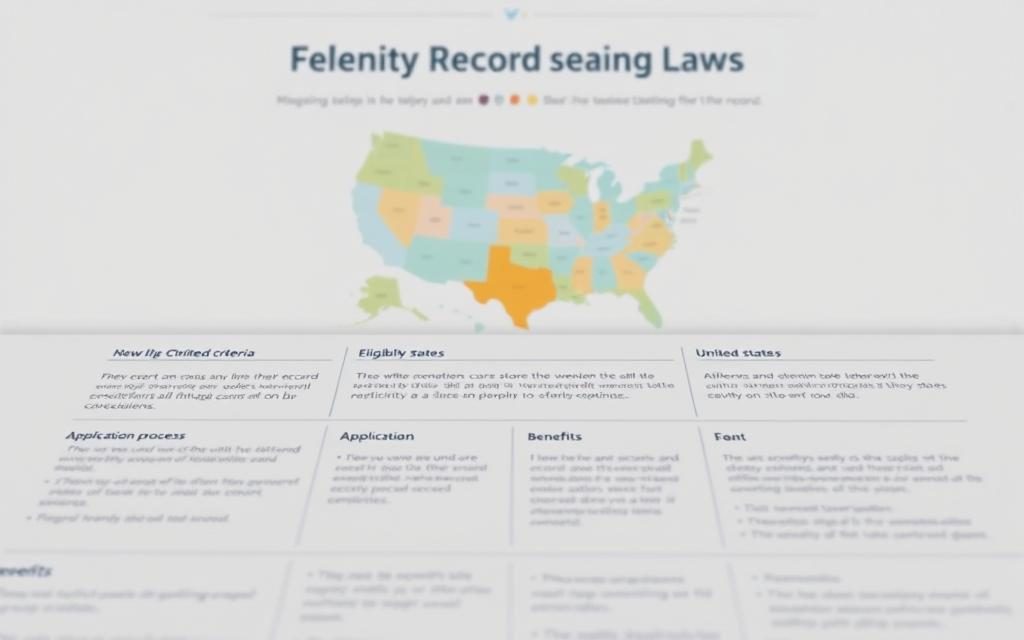
State laws on expunging felonies vary a lot in the U.S. Some states are more lenient, while others are strict.
Overview of State-by-State Rules
Record sealing rules change a lot from place to place. Important differences include:
- Waiting periods after conviction
- Types of felonies eligible for sealing
- Specific documentation requirements
- Associated filing costs
Notable Variations in Laws
| State | Sealing Eligibility | Waiting Period |
|---|---|---|
| California | Most non-violent felonies | 3-7 years |
| Texas | Limited felony types | 5-10 years |
| New York | Broader sealing options | 2-5 years |
Resources for Checking State Regulations
People should check official state court websites or local legal aid groups. Each state has its own rules. It’s important to do research and might need a lawyer’s help.
- State court websites
- Legal aid clinics
- Professional legal consultations
Seeking Legal Assistance
Going through the steps to seal a felony record can be tough. Getting help from a lawyer is key. They help you understand the legal steps for expungement and sealing.
When to Consult a Lawyer
Some cases need a lawyer’s help. You might want to get one if:
- Your case has many criminal charges
- You’ve been turned down for record sealing before
- Your felony is very complex
- You’re not sure if you can seal your record
Affordable Legal Resources
There are ways to find cheap legal help for sealing:
- Local legal aid groups
- Pro bono clinics
- Law school legal help programs
- State bar association referral services
Benefits of Professional Guidance
Lawyers who know about expungement can really help:
| Professional Service | Potential Benefit |
|---|---|
| Case Evaluation | They can tell you if you can seal your record |
| Document Preparation | They make sure your papers are right |
| Court Representation | They can make your chances of winning better |
Legal experts know all about sealing records. They can really help you succeed.
Personal Stories
Clearing felony history is tough, but real stories give hope. They show how clean slate laws help people start anew after legal troubles.

Triumph Through Perseverance
Michael Thompson’s story is inspiring. He fought for years to find work because of his record. But he didn’t give up. He used clean slate laws to seal his record and found new career opportunities.
- Researched eligibility requirements thoroughly
- Gathered all needed documents
- Got help from legal experts
Lessons Learned from the Process
Those who sealed their records share important tips. Being patient and well-prepared is essential. Knowing your state’s laws and keeping good records helps a lot.
- Begin the process early
- Get advice from lawyers
- Keep working on yourself
Transformative Impact
Sealing a record brings big relief. People feel more confident and find better jobs. Clean slate laws give a second chance for those ready to change.
Myths and Misconceptions
Understanding how to seal a felony record is key. Many people get things wrong because of common myths. This can lead to false hopes or missed chances.
Common Myths About Record Sealing
There are many myths about sealing drug felony records. Let’s look at and clear up some of these myths:
- Myth: Sealed records are completely erased
Reality: Sealing a record doesn’t make it disappear. Some groups, like law enforcement, can see it under certain conditions.
- Myth: All felonies can be sealed
Reality: Not all felonies can be sealed. It depends on the state, the crime, your criminal history, and how long it’s been.
- Myth: Sealing a record automatically restores all rights
Reality: Sealing a record doesn’t bring back all rights. Some, like owning a gun or certain jobs, might not be allowed.
What You Shouldn’t Believe
When looking to seal a felony record, it’s important to know what’s real. Drug felony records need special care. Always talk to a lawyer who knows your case well.
Every situation is different. What works for one might not work for another. The best way to know your options is to get legal advice from a professional.
Maintaining Your Sealed Status
After you seal your criminal record, keeping it safe is key. The guide stresses the need to follow rules and manage your legal status well.
Sealing your record is just the start. You must take several steps to keep it sealed and protect your rights.
Understanding Your Sealing Order
Every sealing order has its own rules. Read your order carefully to know:
- What you can’t share about your record
- Any job or professional limits
- How long your record will be sealed
Ongoing Legal Compliance
Keeping a clean record is vital after sealing. Following the law closely helps avoid problems. This means:
- Not getting into trouble with the law again
- Telling the truth about your record when asked
- Getting help from lawyers when needed
Potential Disclosure Scenarios
There are times when you might have to share your sealed record. This usually happens in:
- Some government jobs
- When you need a professional license
- In legal cases
Be honest and ask for legal advice in these tricky situations.
Conclusion
Sealing a felony record is a big chance for people to start over. It means understanding legal steps, getting the right papers, and knowing state rules well.
Experts say sealing a record needs patience and careful planning. Many people clear their records by following advice, knowing what they need, and sometimes getting help from lawyers.
Every state has its own way to clear felony records. So, it’s key to learn about local laws. People must stay active, organized, and show they’ve changed for the better.
Sealing a record is more than just a legal action. It’s a journey to personal redemption. By knowing the steps, being realistic, and preparing well, people can get a second chance.