What Is a Plea Bargain Deal: Legal Pros and Cons

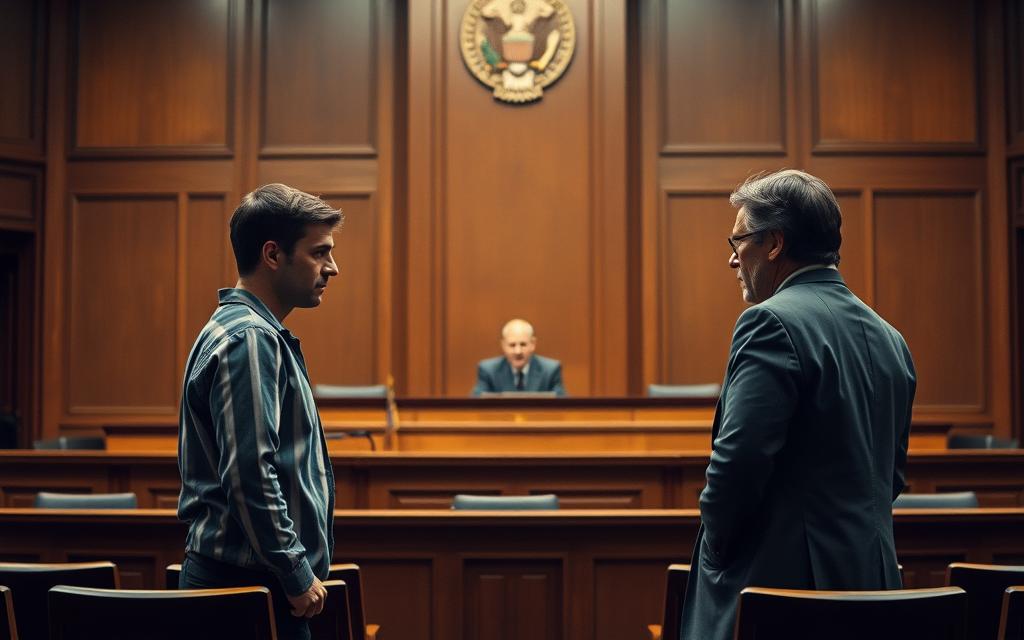
Ever thought about how most criminal cases end without a big trial? Maybe justice isn’t always about going to court.
A plea bargain is a key part of the US criminal justice system. It lets defendants and prosecutors agree on a deal. This deal can save time, money, and stress for everyone.
When you get a plea bargain, you agree to plead guilty to a charge. The prosecutor gives you something in return. It’s a way for both sides to find a fair solution.
Key Takeaways
- Plea bargains allow defendants to negotiate criminal charges
- Most criminal cases are resolved through plea negotiations
- Defendants can potentially receive reduced sentences
- Plea deals help reduce court system backlogs
- Legal representation is key during plea bargaining
Understanding Plea Bargains in the Legal System
Plea bargains are key talks in the criminal justice world. They give defendants a choice instead of going to trial. These deals let people settle criminal charges by working out with prosecutors and defense lawyers.
The world of plea bargains shows many ways to handle criminal charges. These talks help find solutions for criminal accusations:
- Charge Bargaining: Making charges less severe
- Sentence Bargaining: Talking about punishment lengths
- Fact Bargaining: Agreeing on case details
Definition of a Plea Bargain
A plea bargain is a deal where a defendant pleads guilty to certain charges. This deal is different from a trial because it’s more controlled and predictable.
Types of Plea Bargains
Defendants often choose plea bargains because they’re less uncertain. Each type of plea bargain has its own legal strategy:
- Charge bargaining lowers criminal charges
- Sentence bargaining limits jail time
- Fact bargaining controls case details
How Plea Bargains Work
Plea bargains need careful talks between prosecutors and defense lawyers. Prosecutors want quick solutions, while defendants want to lessen their legal troubles. Both sides need to think carefully to agree on a deal.
The Process of Entering a Plea Bargain
Understanding the plea deal process is key. It’s important to have good legal advice. When facing criminal charges, making the right choice can change your outcome a lot.
Getting a plea bargain has many steps. Each step needs a lawyer’s help. The legal system is complex, with many things to think about.
Initial Consultation with an Attorney
The first step is talking to a lawyer. In this meeting, you learn a lot about your case. You find out about possible strategies and what each choice means.
- Evaluate the strength of the prosecution’s evidence
- Assess possible legal defenses
- Discuss possible plea bargain options
- Understand what sentences might happen
Negotiation Phase
Talking to prosecutors about a plea bargain is tricky. It’s a careful conversation to find an agreement both sides can agree on.
- Look at the case and evidence
- Find out about plea bargain terms
- Suggest changes in charges or sentences
- Think about the good and bad sides
Finalizing the Plea Deal
The last step is going to court. A judge checks if the deal is fair and right. They make sure it follows the law and is fair.
Before agreeing, think about the plea bargain carefully. Remember, saying yes means giving up some rights. But it might lead to better results.
Advantages of Accepting a Plea Bargain
Going through the criminal justice system is tough. Plea bargains are a smart way to handle legal issues. They offer benefits that can change a person’s legal situation a lot. Knowing the good things about plea bargains helps people make better choices.
Reduced Sentences: A Path to Lighter Consequences
Plea bargains can lead to shorter sentences. By agreeing to plead guilty, people might get less time or lighter penalties. This way, they can lessen their legal troubles through smart talks.
- Shorter jail time
- Potential for alternative sentencing
- Reduced criminal charges
Saving Time and Resources
Plea bargains make the legal process faster and cheaper. They help avoid long trials. This means people can solve their cases quicker and spend less money.
| Aspect | Trial Process | Plea Bargain |
|---|---|---|
| Duration | Months to Years | Weeks to Months |
| Legal Costs | High | Significantly Reduced |
| Emotional Stress | Extremely High | Reduced |
Certainty of Outcome
Plea bargains also mean a more certain outcome. Trials are full of unknowns, but plea deals are clearer. People can control their legal fate by talking things over ahead of time.
Looking into plea bargain benefits needs careful thought and advice from a lawyer. Every situation is different, affecting how much a plea bargain can help.
Disadvantages of Plea Bargains
Plea bargains come with big risks. They might seem like an easy way out, but think twice before agreeing. Knowing the risks helps you make better choices.

- Potential for involuntary self-incrimination
- Permanent criminal record implications
- Psychological stress of accepting guilt
- Long-term personal and professional consequences
Potential for Coercion
Don’t agree to a plea bargain if you feel forced. Legal pressure can make you rush. Fear of long sentences might make you choose a deal you don’t get.
Public Perception and Stigma
Accepting a plea bargain can hurt your social and work life. Even with smaller charges, you might face:
- Negative employment opportunities
- Social judgment
- Restricted personal freedoms
- Ongoing background check challenges
Waiving the Right to a Trial
By taking a plea bargain, you give up your right to a trial. This means missing out on:
- Challenging evidence publicly
- Presenting alternative arguments
- Having a jury decide
- Potentially proving you’re completely innocent
Understanding plea bargain risks is key. Get advice from a skilled criminal defense lawyer. They can help you make the best choice.
Impact on the Justice System
Plea bargains have changed the American criminal justice system a lot. They help manage court resources and make legal processes smoother. Plea bargains are key for dealing with the huge number of cases courts face.
Caseload Management Challenges
Courts in the U.S. face huge backlogs of criminal cases. Plea bargains offer a good way to solve this problem. They let defendants agree to smaller charges or sentences.
This helps courts:
- Save time on trial prep
- Fix scheduling issues
- Use resources better
- Speed up case handling
Implications for Victims
Plea bargains can make victims feel mixed emotions. They speed up justice but might seem to lessen the crime’s impact. Victims may feel unsure about deals that reduce charges or sentences.
Effect on Sentencing Trends
Plea bargains greatly affect how sentences are given. Courts often use these deals, leading to more consistent outcomes. This raises questions about fairness and justice in the system.
Legal Representation in Plea Bargains
Navigating plea bargains is complex and needs skilled legal help. Defendants must know how important a good lawyer is in these talks. Legal advice is key to a case’s outcome.
Good lawyers can change plea bargain results a lot. They offer many benefits:
- They know the local courts well.
- They can spot strong and weak points in a case.
- They are good at talking to prosecutors.
- They protect your rights.
Role of Defense Attorneys
Defense lawyers are very important in plea talks. They look at the evidence and think about what might happen. They help you decide if a plea offer is good or not.
| Legal Representation Type | Potential Case Outcomes |
|---|---|
| Private Attorney | More chance of good plea deals |
| Public Defender | Standard talks with less resources |
| Self-Representation | Big risk of bad outcomes |
Importance of Legal Advice
Getting legal advice before agreeing to a plea is very important. Lawyers give you key info on sentencing, side effects, and future record issues.
Consequences of Self-Representation
Trying to do plea talks without a lawyer is very risky. Without legal knowledge, you might accept bad terms or miss good defense chances.
The Role of Prosecutors in Plea Bargains
Prosecutors play a big role in the criminal justice system. They have a lot of power in plea bargain talks. Their smart moves can change how criminal cases end in the U.S.
Prosecutors look at many things when thinking about plea deals. They think about each case’s special needs. This helps them decide the best choice for each case.
Strategic Decision-Making Process
The plea deal process has several important steps:
- Looking at how strong the evidence is
- Checking the defendant’s past crimes
- Thinking about how reliable witnesses are
- Looking at the risks and costs of a trial
Ethical Challenges in Negotiations
Prosecutors face tough ethical choices in plea talks. They must find justice while keeping the court running smoothly. They need to stay honest and handle a lot of cases wisely.
Balancing Justice and Efficiency
Prosecutors need to find a balance in plea talks. They must think about each case and the system’s needs. They aim to keep people safe and make the legal process quick and fair.
Plea Bargains in Different Criminal Cases
Plea bargaining changes a lot based on the crime. Knowing how it works in different cases helps everyone understand the legal system better.

Plea deals for felonies and misdemeanors are very different. Misdemeanor deals are simpler. They usually aim to lessen penalties and avoid big problems.
Felony Charge Negotiations
Felony plea bargains are more complex. People facing serious charges need to think hard about their options. Important things to consider are:
- How to reduce prison time
- How it might affect their job in the future
- The long-term effects on their criminal record
Drug Offense Plea Bargains
Drug case negotiations depend on the situation. For misdemeanors, deals might include:
- Going to rehab instead of jail
- Lowering the charge
- Having to go to counseling
White-Collar Crime Negotiations
White-collar crimes have their own challenges in plea bargaining. Complex financial investigations need smart legal plans. These plans balance penalties with chances to cooperate.
Many things affect how to bargain in a plea deal. These include the person’s criminal history, how strong the evidence is, and the prosecutor’s choices. Lawyers must look at each case carefully to make a good plan.
Plea Bargains and Judges
Judges are very important in plea bargaining. They check if the deal is fair and right. This makes sure justice is done.
The court looks at many things when they review plea deals:
- They check if the sentence is fair.
- They make sure the defendant knows what they’re agreeing to.
- They see if the defendant agreed on their own.
- They look at how the sentence will be given.
Judicial Oversight in Plea Negotiations
Judges have a lot of power when they review plea deals. They are not just yes-men. They can say no if the deal is not fair.
Approval Process and Sentencing Discretion
When judges accept a plea deal, they look at many things. They can change or reject the sentence if it’s not fair. This makes sure deals are fair and just.
Balancing Efficiency and Justice
Judges have to balance making court work fast and keeping things fair. Their role in plea bargaining shows how complex it is. It protects everyone’s rights and the law.
Common Misconceptions About Plea Bargains
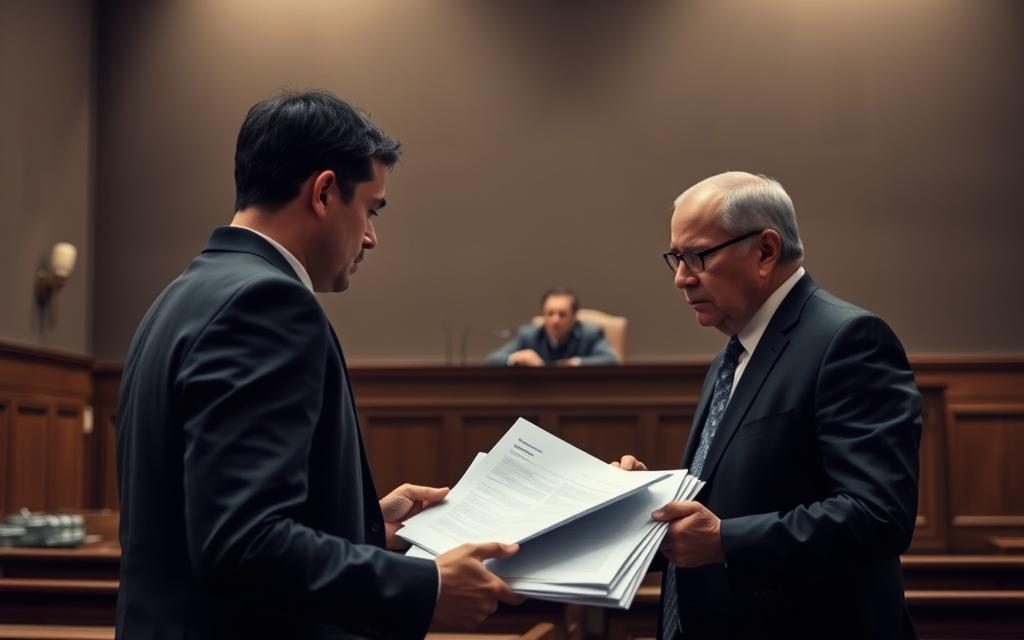
Plea bargains are often misunderstood. The media can make them seem different than they really are. Knowing the truth about plea deals can help people understand the criminal justice system better.
Myths vs. Facts About Plea Deals
Many people think wrong things about plea bargaining. Let’s look at some common mistakes:
- Myth: Plea deals mean you’re guilty
- Fact: Conditional plea deals let you say you’re not guilty but work out a deal
- Myth: Only guilty people take plea bargains
- Fact: Sometimes, people choose plea deals to avoid bigger risks
Media’s Impact on Public Perception
TV shows and movies often make legal stuff seem too simple. They make plea bargains seem easier than they really are. This can make people think wrongly about them.
Understanding the Reality of Plea Deals
Plea bargains are useful tools in the criminal justice system. They can help defendants get better deals and help courts handle more cases. It’s a way to make the system work better.
- Plea deals are talked about between lawyers
- They need careful planning
- Every plea deal is different, based on the case
People should talk to good lawyers to understand plea bargaining. This way, they can make smart choices for their case.
Case Studies: Successful and Unsuccessful Plea Bargains
Looking at real plea bargain cases helps us learn how to get a good deal. These examples show the complex world of plea talks and their results in criminal law.
Knowing the details of plea bargain questions is key. Good plea deals depend on many things. These include the strength of the evidence, the skill of the lawyer, and what the prosecutor wants.
Notable Examples in Criminal Law
Many famous cases show how tricky plea bargaining can be:
- White-collar crime cases often involve complex negotiations
- Drug offense plea deals can reduce sentencing dramatically
- First-time offenders may receive more favorable terms
Lessons Learned from Case Outcomes
Important lessons from successful plea bargains are:
- Getting legal advice early is very important
- Being well-prepared in your case helps you negotiate better
- Knowing what the prosecutor wants helps you plan your strategy
The Role of Public Opinion
What people think can really affect plea bargain talks, media coverage and community sentiment can sway decisions.
In the end, each plea bargain is a special case. It needs smart negotiation and deep legal knowledge to get a good result.
State Variations in Plea Bargaining
Plea bargaining is different in every state. Each state has its own rules, making the legal system complex. This affects how sentences are decided in plea bargain talks.
The way states handle plea bargaining shows how different the American legal system is. Each state has its own way of doing things. This can change the outcome of a criminal case a lot.
Key Differences Across Jurisdictions
- Some states offer more flexible plea bargain agreements
- Sentencing in plea bargain negotiations varies widely
- Local regulations can dramatically impact plea deal options
State Policy Impact on Plea Deals
State policies are key in plea bargaining. Things like mandatory minimum sentences and how prosecutors decide cases vary a lot. This affects how plea deals are made and carried out.
| State | Plea Bargain Flexibility | Typical Sentencing Approach |
|---|---|---|
| California | High flexibility | Rehabilitation-focused |
| Texas | Limited flexibility | Strict punishment-oriented |
| New York | Moderate flexibility | Balanced approach |
Legal Landscape Considerations
Knowing the specific rules of each state is very important when making a plea bargain. Lawyers and defendants need to understand local laws to get the best deal possible.
The differences in how sentences are decided in plea bargains show the need for local legal knowledge. What works in one state might not work in another.
The Future of Plea Bargains
The world of plea bargaining is changing a lot. Lawyers are finding new ways to make plea deals better. They want to change how we handle criminal cases.
New ideas in plea deals are changing how people talk to each other. Technology is helping make these talks better and faster.
Evolving Legal Standards
Courts are making rules for plea deals clearer. They are focusing on:
- Making talks more open
- Ensuring deals are fair
- Watching over plea deal times
Proposed Reforms and Changes
Lawyers want big changes to make plea deals fairer. Some big ideas include:
- Forcing counseling before deals
- Setting rules for talks
- Protecting defendant’s rights more
Technology’s Role in Plea Negotiations
New tech is changing how plea deals are made. Things like data analysis and online meetings are making talks better.
AI and machine learning help lawyers understand past deals. This helps them make smarter choices during negotiations.
Ethical Dilemmas in Plea Bargaining
Plea bargaining is a big challenge in the criminal justice system. It raises questions about fairness, justice, and rights. Lawyers must walk a thin line between solving cases fast and protecting defendants’ rights.
Balancing Justice and Expediency
There’s a big fight between justice and speed. Plea deals can be risky if they’re chosen over a full legal check. Defendants might agree to deals that could hurt their record, even if they’re not sure they’re guilty.
- Rapid case resolution can compromise thorough investigations
- Potential for rushed legal decisions
- Unequal bargaining power between prosecution and defense
Potential Conflicts of Interest
Public defenders often face big challenges. They might push for plea deals because they’re too busy. This can hurt their clients’ chances of getting a fair trial.
| Ethical Concern | Potential Impact |
|---|---|
| Caseload Pressure | Reduced individual case attention |
| Resource Constraints | Increased plea deal recommendations |
| Systemic Bias | Disproportionate impact on marginalized communities |
Ensuring Fairness in the Process
To keep things fair, we need to act. We should be open, make sure everyone has a good lawyer, and check cases carefully. The legal system must protect defendants and work efficiently at the same time.
- Independent case review
- Mandatory legal counseling
- Clear documentation of plea negotiations
Resources for Understanding Plea Bargains
Understanding legal plea negotiation can be tough. But, there are many tools and systems to help. They offer deep insights into your legal choices.
Getting help with plea bargains is easier with the right info. Here are some key resources for tough legal times.
Legal Aid Organizations
- American Bar Association Legal Resources
- National Association of Criminal Defense Lawyers
- Local Legal Aid Clinics
- Pro Bono Legal Services
Educational Materials
For more knowledge on plea bargains, check out these educational tools:
- Criminal Law Guides
- Online Legal Workshops
- University Legal Podcasts
- Courtroom Procedure Documentaries
Online Resources and Tools
| Resource Type | Description | Accessibility |
|---|---|---|
| Legal Research Websites | Comprehensive legal databases | Free/Subscription |
| Plea Bargain Calculators | Potential sentence estimation tools | Online Platforms |
| Legal Consultation Platforms | Virtual attorney consultations | Paid Services |
These tools help you make smart choices in legal plea negotiations. Using many resources can give you a full picture of plea bargains.
Conclusion: Weighing Your Options
Choosing a plea bargain is a big decision. You need to think carefully and understand your legal situation well. It’s important to look at all possible outcomes and what they mean for your future.
Getting advice on guilty pleas is key. Every case is different, needing its own plan. A good lawyer can help you see the pros and cons of a plea deal.
Deciding on a plea deal is a personal choice. It can change your life a lot. You should look at all the evidence and what sentences might be. Also, know the details of the plea agreement well.
Getting help from a lawyer is very important. They can help you make a good plan. This way, you can deal with your criminal charges better.
In the end, making a good plea bargain takes a lot of work. You need to be well-prepared and understand your rights. Plea deals can be a good option, but you must think about them carefully.