Hiring An Experienced Lawyer When Filing for a Divorce


The petition for divorce or dissolution of marriage is a legal document that the spouse who wants the divorce files in court. Known as a “lawsuit” in some states, the petition informs the court of the desire of the spouse (called “petitioner”) to end the marriage. Presenting these documents in court implies the beginning of the divorce process. Once the petitioner has served the petition for divorce or dissolution of marriage, the other party or “petitioned” party is also notified that the divorce process has begun. Filing for a divorce can be complex if it is contested. Read on.
Following the Procedures
Divorce is governed by state law and the divorce process is handled exclusively at the state level. Thus, the spouse requesting divorce must file his petition in the courts of the county or district where he resides. After filing an application for divorce or dissolution of marriage in court, the applicant (usually through his attorney) must ensure that it has been served (legally served) to the other spouse. Every state has strict requirements on the service of legal documents, so it is important that it is done in the correct way so that the divorce can proceed with validity.
Legal Representation
If you are facing a potential dispute over divorce, custody, alimony, or other pertinent matters, a family law attorney can help you with a fair representation of your interests in the process. An attorney specializing in family law will work to obtain the best possible result. The first step is to find a family law attorney in your area.
Judge or Jury
In some cases, it is difficult to get to a mutual agreement; especially when there are specific things involved such as children and property. The parties may not be able to put their differences aside and do what is in the best interest of everyone involved; especially the children and so the filing for a divorce can get nasty. When the trial arrives, there could be one judge presiding over this ordeal or a jury. The trial usually takes place in a family court or civil court where the petition was initially filed.
Family Court
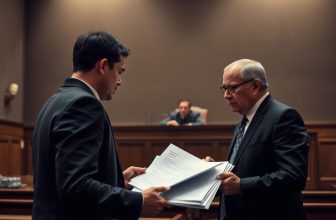
Each party’s attorney will present different forms of arguments and evidence associated with the issues concerning the divorce. These could include things like alimony, child support, dividing property, visitation rights, and more. During the trial, the additional evidence presented includes:
- The testimony of each party;
- The testimony of witnesses
- Testimony of people like the property appraiser
- Proven documents
Evidence and Arguments
As arguments and evidence begin to be presented by one party, the other person involved has can question the other; challenging evidence through “cross-examination.” In this way, the authenticity of the witness’s statements and the conflicted documents could be challenged and if necessary, some of those documents and testimony presented as evidence could be discredited.
Hearing and Examination
Once the evidence is examined and the hearing completed, either the jury or the judge will be issuing a definitive ruling to resolve the matters related to this divorce filing. When the decision is made while filing for divorce, the judge will grant a full divorce along with guidelines that one or both parties are obligated to meet.
Contact An Experienced Lawyer
To get through the entire process of filing for divorce, you need to consult with an experienced and skilled divorce attorney. You won’t regret hiring an experienced attorney who has gone through the divorce process with many prior clients.